Tips For a Healthy Heart
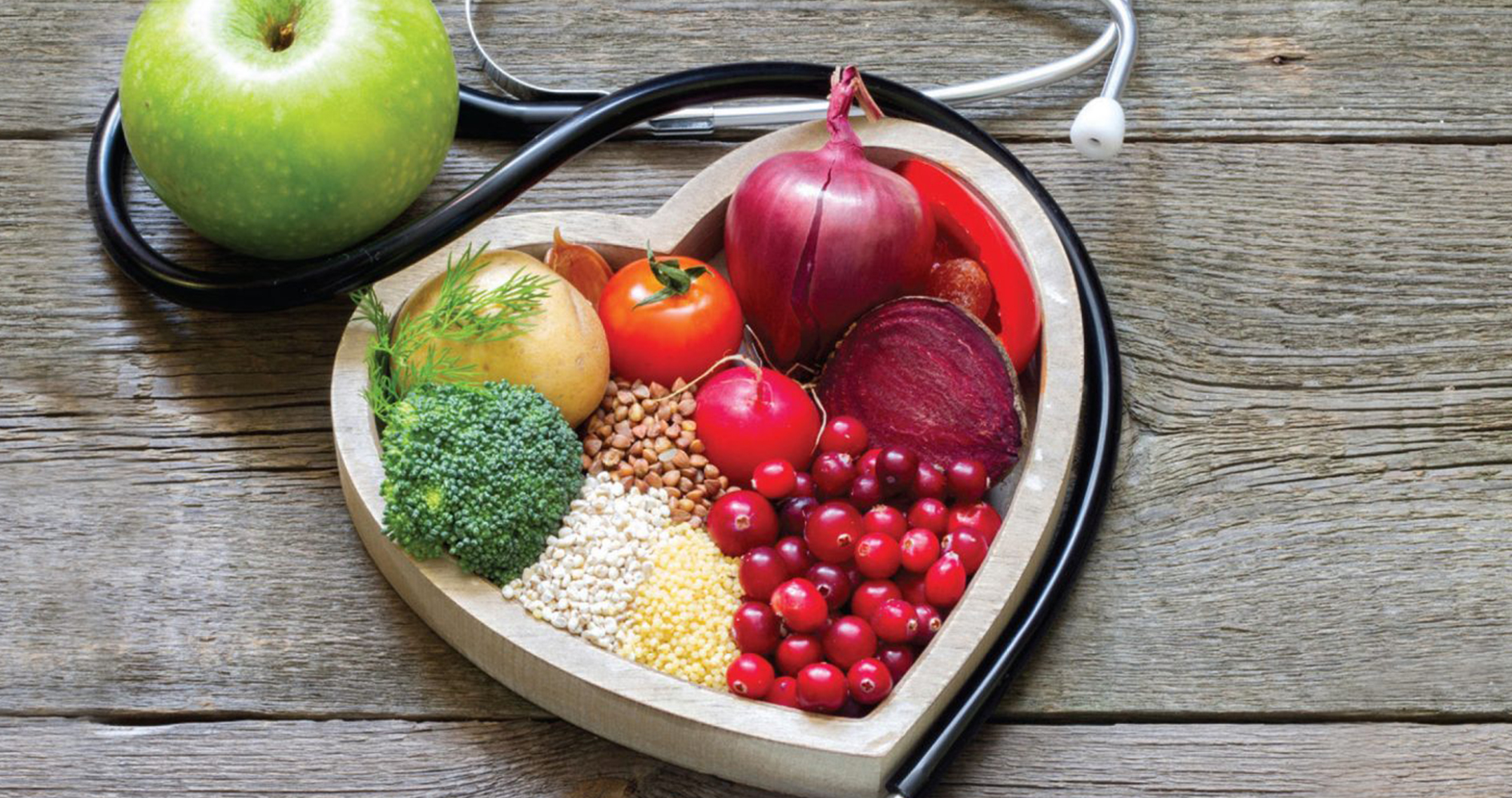
Can diet and lifestyle changes really help you fight family history of heart disease and prevent heart attacks, high blood pressure, and stroke? Medical research says yes.
Here are the top 10 tips for building a healthy heart.
Eat more cardiac-friendly foods
Eating well is always your best medicine. Choose heart-healthy, organic foods from the following list every day. The active ingredients in these foods are well documented in preventing heart disease:
Garlic, onions, and chives contain allylic sulphides that prevent excessive blood clotting. Since many scientists now assume infection causes hardening of the arteries (atherosclerosis) and heart disease, the antimicrobial effects of garlic may prevent infection.
Berries of all kinds, especially the European blueberry (bilberry), are high in bioflavonoids that reduce risk of atherosclerosis.
Green and black teas contain polyphenols that help stop the accumulation of low-density lipoprotein (LDL, the so-called bad cholesterol) and discourage it from sticking to artery walls.
Turmeric and cumin are two spices high in anti-inflammatory curcumin, which reduce the inflammation that is assumed to be another cause of heart disease. Curcumin also prevents excessive cholesterol accumulation.
Vegetables such as broccoli, cabbage, Brussels sprouts, cauliflower, kale, rutabaga, and mustard greens are all high in indoles, sulforaphane, and glucosinolates. These cruciferous vegetables help improve cholesterol metabolism.
Citrus fruits contain not only vitamin C but also numerous bioflavonoids, including quercetin and limonoids, documented to reduce inflammation and cholesterol levels.
Flaxseed, hempseed oil, and fatty fish (especially salmon, catfish, mackerel, and trout) have high levels of omega-3, omega-6, and omega-9 fatty acids, as well as lignans (soluble fibre). Omega-3 oil lowers cholesterol and triglycerides, raises high-density lipoprotein (HDL, or good cholesterol), and reduces blood clotting.
Cultured soy products such as tofu, tempeh, and miso are high in genistein and other isoflavones known for their cholesterol-lowering effects.
Carrots and carrot juice are high in beta carotene, an antioxidant shown to help prevent heart disease. Eat other foods rich in beta carotenes because of their heart-health-enhancing effects. These include cabbage, winter squash, sweet potatoes, dark leafy greens, apricots, and seaweed such as kelp, dulse, and kombu.
Don’t smoke
Although it is true that getting down to your optimal weight is a good way of enhancing the health of your cardiovascular system, frequent dieting, fasting, bingeing, and purging imbalance your electrolyte levels, causing weakening of the heart muscle and damage to the heart. Instead of dieting, avoid all convenience, fried, and processed foods like chips, soft drinks, and fast foods. Also avoid sugar and sweetened foods as heart disease is strongly linked to sugar consumption.
Exercise daily
You have to move to keep your heart healthy. A minimum of half an hour a day of aerobic exercise will improve your oxygen uptake and prevent infectious disease in your cardiovascular system. Brisk walking, jogging, swimming, canoeing, kayaking, cross-country skiing, and bicycling are all good ways of getting cardio exercise.
Take heart-healthy supplements
Many nutritional supplements work to improve circulation, strengthen the heart muscle, or reduce arterial wall inflammation and damage. Combination products containing a dozen or more of the nutrients listed below are available from most health food stores and pharmacies. Take this article with you to ensure that the heart-healthy supplement you choose includes these nutrients. Look for these cardio-boosting supplements:
Amino Acids:
- L-arginine – 6,000 to 12,000 mg daily
- L-carnitine – 1,500 mg or more daily
- L-proline – 2,000 mg
Vitamins:
- Folic acid – 5 mg daily
- Inositol hexaniacinate (flush-free niacin) – 1,000 to 3,000 mg daily
- Vitamin B6 – 25 to 100 mg daily
- Vitamin B12 – 1,000 mcg daily
- Vitamin C – 1,000 to 6,000 mg daily
- Vitamin E – 800 IU daily
Minerals:
- Chromium – 1,000 or more mcg daily
- Copper – 2 mg or more daily
- Magnesium – 500 mg or more daily
- Selenium – 600 mcg daily
Other Nutritional Factors:
- Coenzyme Q10 (CoQ10) – 400 mg daily
- Curcumin – 3,000 mg or more daily
- Ginkgo biloba extract – 1,000 mg daily
- Hempseed oil – 3 Tbsp (45 mL) daily
- Pycnogenol – 300 mg daily
Control stress
Reducing stress enhances cardiovascular health. Moderate the impact of stress on your heart by working to improve relationships; take more vacations; practise yoga, meditation, or tai chi; and seek psychotherapy for unresolved problems and acupuncture to relieve chronic pain.
Drink alcohol and coffee in moderation
One or two glasses of red wine each day with dinner will provide you with a potent preventive compound called resveratrol.
Drinking more than this amount will not give additional benefits and could be detrimental to heart health. For those who cannot drink wine or alcoholic beverages, red wine capsules rich in resveratrol–but without the alcohol–are available at health food stores.
Drinking one cup of coffee a day will do no damage, but excessive amounts may be too stimulating and lead to heartbeat irregularities, higher-than-optimal blood pressure, and a greater risk of stroke. Drink green tea instead.
Test blood sugar periodically
While cholesterol is thought to be a factor in heart disease, ask your health care provider to test for other nutrients periodically, especially if you have a family history of heart disease. Test for blood levels of sugar, ferritin (stored iron), homocysteine, alpha-lipoprotein, fibrinogen, and highly sensitive C-reactive protein. High levels of any of these nutrients are associated with a higher risk of heart problems and can be corrected by diet changes and nutritional supplements. Low levels of thyroid hormone and high levels of adrenal hormones (especially cortisol) can also increase risk of heart disease.
Check blood pressure regularly
Keep an eye on your blood pressure on a regular basis so you know how well your cardiovascular system is functioning. Buy a blood pressure monitor to use at home. They are inexpensive and anyone can learn to use one. Alternatively, use the blood pressure monitor at your local health food store.
© 2026 happyhealthyhearts.website. All rights reserved.